⏱ 6 Hours
📖 12 Modules
🏆 Certificate of Completion
About This Course
This foundational course equips new healthcare professionals and non-clinical staff with the essential knowledge to understand, prevent, and respond to infection risks in healthcare settings. Built on WHO and CDC guidelines, it provides a solid theoretical and practical base for anyone entering a clinical environment.
Full Course Curriculum
-
01
Introduction to Microbiology
- • What are microorganisms? Classification of bacteria, viruses, fungi, and parasites
- • How pathogens cause disease: virulence factors and pathogenicity
- • The human immune response: innate vs. adaptive immunity
- • Normal flora vs. pathogenic organisms in healthcare settings
- • How microorganisms are identified in the clinical laboratory
-
02
The Chain of Infection
- • The six links: infectious agent, reservoir, portal of exit, mode of transmission, portal of entry, susceptible host
- • Breaking the chain: key intervention points for each link
- • Common reservoirs in healthcare: patients, staff, equipment, and environment
- • Portals of exit and entry: respiratory, gastrointestinal, skin, mucous membranes
- • Host susceptibility factors: age, immunosuppression, comorbidities, invasive devices
-
03
Standard Precautions

Standard precautions apply universally — protecting both patient and healthcare worker at every encounter
- • Definition and rationale: why standard precautions apply to all patients
- • Hand hygiene as the cornerstone of standard precautions
- • Safe handling and disposal of sharps and contaminated equipment
- • Respiratory hygiene and cough etiquette in waiting areas
- • Safe injection practices: one needle, one syringe, one patient
- • Handling and processing of soiled patient care equipment
-
04
Transmission-Based Precautions

Airborne precaution rooms — negative pressure and N95 respirators required for TB, measles, and varicella
- • Contact precautions: indications, gown and glove use, patient placement
- • Droplet precautions: surgical mask use, patient transport, room requirements
- • Airborne precautions: N95 respirators, negative pressure rooms, HVAC requirements
- • Combination precautions: when to apply more than one category
- • Discontinuing isolation: criteria and clinical decision-making
- • Patient and family education about isolation precautions
-
05
Hand Hygiene in Practice
- • WHO's 5 Moments for Hand Hygiene explained with clinical examples
- • Alcohol-based hand rub technique: 6-step method, dwell time, volume
- • Handwashing with soap and water: when and how
- • Skin integrity and occupational dermatitis prevention
- • Hand hygiene compliance monitoring: direct observation and electronic tools
- • Feedback and behaviour change strategies for sustained compliance
-
06
Personal Protective Equipment
- • PPE selection based on anticipated exposure and transmission route
- • Gloves: sterile vs. non-sterile, sizing, limitations, and correct removal
- • Masks: surgical mask vs. N95 respirator — fit, seal, and protection level
- • Gowns and aprons: fluid resistance levels and correct application
- • Eye and face protection: goggles, face shields, and combination use
- • Donning and doffing sequences: step-by-step to prevent self-contamination
-
07
Environmental Cleaning & Disinfection
- • Levels of disinfection: low, intermediate, and high — Spaulding classification
- • Cleaning vs. disinfection vs. sterilisation: definitions and correct application
- • Choosing the right disinfectant: spectrum of activity, contact time, surface compatibility
- • High-touch surface cleaning: frequency, technique, and documentation
- • Terminal cleaning after patient discharge or isolation
- • Monitoring cleaning effectiveness: ATP bioluminescence and visual inspection
-
08
Sterilisation Principles
- • Steam sterilisation (autoclave): cycles, parameters, and biological indicators
- • Chemical sterilisation: ethylene oxide, hydrogen peroxide plasma, and peracetic acid
- • Low-temperature sterilisation for heat-sensitive devices
- • Packaging, labelling, and sterility maintenance of reusable instruments
- • Sterility assurance levels and validation requirements
- • Common sterilisation failures: causes, detection, and recall procedures
-
09
Waste Management
- • Classification of healthcare waste: clinical, sharps, pharmaceutical, chemical, general
- • Segregation at the point of generation: colour-coded bin systems
- • Safe handling and storage of clinical waste on the ward
- • Sharps disposal: correct containers, fill levels, and transport
- • Regulatory requirements for healthcare waste disposal
- • Staff training and accountability in waste management
-
10
Healthcare Worker Safety
- • Occupational exposure risks: blood-borne pathogens, respiratory hazards, skin exposure
- • Bloodborne pathogen exposure management: immediate steps and reporting
- • Post-exposure prophylaxis (PEP) for HIV, hepatitis B, and hepatitis C
- • Mandatory vaccination for healthcare workers: hepatitis B, influenza, varicella, MMR
- • Return-to-work policies for HCWs with communicable diseases
- • Mental health and wellbeing in the context of occupational infection risk
-
11
Infection Surveillance Basics
- • Purpose of surveillance: detecting trends, measuring outcomes, driving improvement
- • Types of surveillance: active vs. passive, targeted vs. facility-wide
- • Case definitions: how to standardise infection identification
- • Calculating infection rates: numerators, denominators, and benchmark comparisons
- • Recognising an outbreak: threshold criteria and initial investigation steps
- • Mandatory notification requirements and public health reporting
-
12
Building an IPC Culture
- • Why culture matters: the relationship between organisational culture and infection rates
- • Leadership commitment: roles of executives, managers, and clinical champions
- • Behaviour change frameworks: COM-B model and the Behaviour Change Wheel
- • Peer accountability and just culture in IPC practice
- • Celebrating success: recognition programmes and positive reinforcement
- • Embedding IPC in onboarding, continuing education, and clinical rounds
Click on any lesson to expand its full content. Complete all modules before taking the final assessment.
Module 1: Introduction to Microbiology
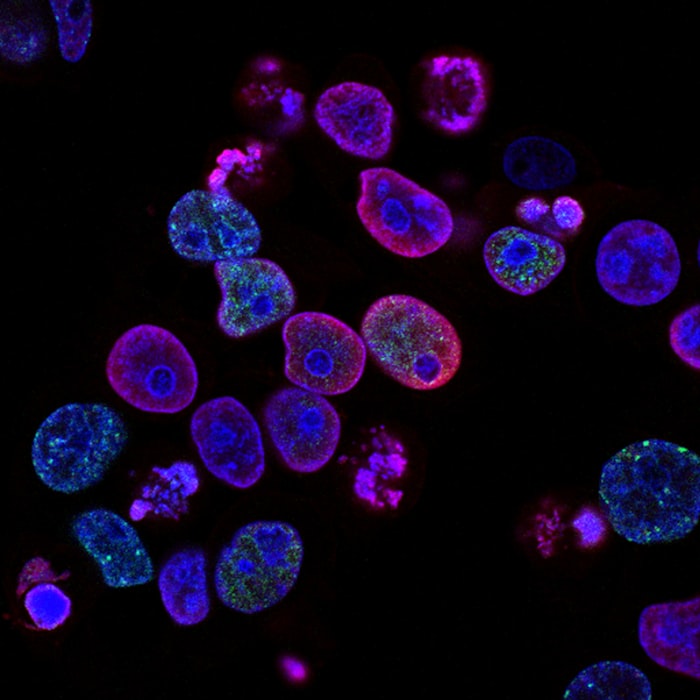
Petri dishes with bacterial colonies — the starting point of clinical microbiology in infection control
Common HAI Pathogens by Frequency (US, 2023)
Source: CDC NHSN 2023 HAI data summary
Microorganisms are living organisms too small to be seen with the naked eye, including bacteria, viruses, fungi, protozoa, and helminths. While most are harmless or beneficial, pathogens cause disease. In healthcare, understanding their basic biology is essential for selecting the right prevention measures. This lesson provides a foundational overview of the microbial world and its relevance to infection control practice.
Bacteria are single-celled prokaryotes classified by the Gram stain: Gram-positive (thick peptidoglycan wall, stain purple — e.g., Staphylococcus aureus, Enterococcus) and Gram-negative (thin wall with outer membrane, stain pink — e.g., Klebsiella, Pseudomonas, E. coli). This distinction guides antibiotic selection. Bacteria reproduce by binary fission and can form protective biofilms on catheters and implants, making eradication difficult and contributing to chronic device-associated infections.
Viruses are non-living particles requiring a host cell to replicate. Healthcare-relevant viruses include influenza, norovirus, RSV, hepatitis B/C, and SARS-CoV-2 — none are treatable with antibiotics. Fungi include yeasts (Candida) and moulds (Aspergillus). Candida bloodstream infections are a major CLABSI source in ICU patients; Aspergillus spores released during construction endanger immunocompromised patients. Parasites such as Cryptosporidium and Giardia are relevant in waterborne outbreak settings.
Immunity operates on two levels. The innate immune system provides immediate, non-specific defence: physical barriers (skin, mucous membranes), fever, inflammation, neutrophils, and macrophages act within minutes to hours. The adaptive immune system provides specific long-lasting protection: T lymphocytes destroy infected cells; B lymphocytes produce antibodies. Immunocompromised patients — on chemotherapy, transplant recipients, or those with HIV — have impaired defences and are highly vulnerable to opportunistic infections from organisms that would be harmless in healthy individuals.
The human microbiome contains trillions of microorganisms that live in balance with the host, protecting against pathogens through competitive exclusion. When this balance is disrupted by antibiotics, surgery, or immunosuppression, resident flora can become pathogenic. For example, Candida albicans normally colonises the gut; after broad-spectrum antibiotics it can invade the bloodstream. Understanding the distinction between colonisation (organisms present without causing disease) and infection (organisms causing a pathological response) is critical to avoiding unnecessary antibiotic prescribing.
Clinical microbiology uses several identification methods: (1) Culture and sensitivity — organisms grow on selective media and antibiotic susceptibility is tested; (2) MALDI-TOF mass spectrometry — identifies organisms by protein fingerprint within minutes of colony growth; (3) PCR — detects pathogen DNA/RNA with high sensitivity, used for MRSA screening, C. difficile, respiratory panels; (4) Blood cultures — gold standard for bloodstream infection diagnosis; at least two sets drawn from separate sites before antibiotics. Understanding MIC (minimum inhibitory concentration) values and reading sensitivity reports (S/I/R) is an essential IPC competency.
Module 2: The Chain of Infection
Contact transmission via contaminated surfaces is the most common HAI route — every link must be broken
The Six Links — Intervention Points
1. Agent
Treat / eliminate pathogen
2. Reservoir
Env. cleaning / decolonise
3. Exit
Cough etiquette / drainage
4. Transmission
Hand hygiene / PPE
5. Entry
Wound care / device bundles
6. Host
Vaccination / immunisation
The chain of infection model describes how pathogens spread from source to susceptible host through six sequential links: (1) Infectious agent — the pathogen and its virulence; (2) Reservoir — where the organism lives and multiplies; (3) Portal of exit — how the organism leaves the reservoir; (4) Mode of transmission — the route of spread; (5) Portal of entry — how the organism enters a new host; (6) Susceptible host — a person with inadequate immunity. Infection only occurs when all six links are intact. Every IPC intervention works by breaking at least one link.
Each link offers specific intervention opportunities. Standard precautions target portals of exit and entry. Hand hygiene and PPE interrupt modes of transmission. Device bundles (CLABSI, CAUTI) eliminate portals of entry. Environmental cleaning reduces the reservoir. Vaccination reduces host susceptibility. The most effective IPC programmes use multi-modal strategies targeting several links simultaneously — for example, implementing a CLABSI bundle addresses the portal of entry (sterile insertion) and reservoir (hub disinfection) while hand hygiene addresses transmission.
In healthcare, reservoirs include infected and colonised patients (who carry organisms without symptoms), healthcare workers (particularly hand carriage and nasal MRSA colonisation), visitors, contaminated equipment (endoscopes, blood pressure cuffs), and the built environment. Sinks and sink drains are frequently underrecognised reservoirs for Gram-negative organisms. Water systems harbour Legionella. Ice machines and breast milk warmers have been linked to neonatal outbreaks. Understanding your facility's reservoir profile through surveillance data and environmental sampling guides targeted interventions.
Contact transmission — the most common route in healthcare — occurs directly (patient-to-healthcare worker hands) or indirectly (via contaminated surfaces or equipment). Key examples: C. difficile, MRSA, VRE, norovirus. Droplet transmission involves respiratory particles >5 microns travelling <1 metre: influenza, pertussis, Group A Streptococcus. Airborne transmission involves particles ≤5 microns that remain suspended and travel >1 metre: Mycobacterium tuberculosis, measles, varicella, SARS-CoV-2. Correct identification of the transmission route determines which precautions to apply — a common source of clinical error.
Vector-borne transmission (e.g., malaria via mosquitoes) is rarely relevant in hospital settings but is important in travel medicine and community outbreak contexts. Common vehicle transmission involves a single contaminated source infecting multiple people — relevant in food-borne outbreaks (Salmonella, Listeria), waterborne outbreaks (Legionella, Cryptosporidium), and intravenous fluid contamination. Recognising a common vehicle pattern — multiple simultaneous cases with a shared exposure — is a key skill in outbreak investigation.
Host susceptibility is influenced by: age extremes (neonates lack mature immunity; elderly have immune senescence); immunosuppression from chemotherapy, biologics, corticosteroids, or HIV; comorbidities such as diabetes (impairs neutrophil function), renal failure, and malignancy; malnutrition and poor skin integrity; presence of invasive devices; and prior antibiotic exposure. Risk stratification — identifying the most vulnerable patients — enables targeted surveillance, intensified precautions, and prophylactic interventions in high-risk groups such as haematology and transplant patients.
Module 3: Standard Precautions
Standard precautions apply universally — protecting both patient and healthcare worker at every encounter
Standard precautions are the minimum level of infection prevention applied to ALL patients in ALL healthcare settings, regardless of suspected or confirmed infectious status. This approach, endorsed by WHO and CDC, recognises that pathogens can be present in blood, all body fluids, non-intact skin, and mucous membranes even when no infection is apparent. By treating every patient interaction as potentially infectious, healthcare workers protect themselves, other patients, and the environment consistently rather than relying on clinical diagnosis which may be delayed or incorrect.
Hand hygiene is the single most effective measure to prevent healthcare-associated infections. It must be performed at WHO's 5 Moments: before patient contact, before clean/aseptic procedures, after body fluid exposure, after patient contact, and after contact with patient surroundings. Alcohol-based hand rub (ABHR) is preferred for most clinical situations due to its broad-spectrum efficacy and speed. Soap and water must be used when hands are visibly soiled or after contact with patients with C. difficile or norovirus, as ABHR is ineffective against spores.
Needlestick and sharps injuries remain a significant occupational hazard, with the potential to transmit HIV, hepatitis B, and hepatitis C. Prevention measures include: never recapping used needles; immediately disposing of sharps in designated puncture-resistant containers at the point of care; using safety-engineered sharps devices; and never overfilling sharps containers beyond the fill line. In the event of a needlestick injury, the wound should be washed with soap and water immediately, the incident reported, and post-exposure prophylaxis initiated within 72 hours where indicated.
Respiratory hygiene aims to reduce transmission of respiratory pathogens in waiting areas and common spaces. Key elements include: covering coughs and sneezes with a tissue or elbow; immediately disposing of used tissues; performing hand hygiene after respiratory contact; and offering surgical masks to symptomatic patients on arrival. Spatial separation of at least 1 metre between respiratory-symptomatic patients in waiting areas provides additional protection. These simple measures, implemented consistently, can significantly reduce influenza and other respiratory pathogen transmission in outpatient and emergency settings.
Unsafe injection practices have caused numerous healthcare-associated outbreaks, including transmission of hepatitis B and C. Standard principles include: one needle and one syringe for each patient injection; never re-entering multi-dose vials with a used needle or syringe; discarding single-dose vials after use; and maintaining a clean medication preparation area separate from patient care areas. Multi-dose vials should be stored in a dedicated medication area and discarded according to manufacturer guidance or after 28 days of opening. These principles apply universally across all clinical settings.
Within standard precautions, PPE is selected based on anticipated exposure. Gloves are worn when touching blood, body fluids, non-intact skin, or mucous membranes. Gowns protect clothing from contamination during procedures likely to generate splashes. Masks and eye protection (goggles or face shield) are used when blood or body fluid splashes to the face are possible — during suctioning, intubation, wound irrigation, or obstetric procedures. PPE is donned before the exposure risk and removed and discarded before leaving the patient area. Hand hygiene is performed immediately after removing PPE.
Module 4: Transmission-Based Precautions
Airborne precaution rooms — negative pressure, HEPA filtration, and N95 respirators for TB and measles
Precaution Type Quick Reference
CONTACT
Gown + Gloves
MRSA, VRE, C. diff, Scabies
DROPLET
Surgical Mask
Influenza, Pertussis, Meningococcal
AIRBORNE
N95 + Neg. Pressure
TB, Measles, Varicella
Contact precautions are applied for organisms spread by direct or indirect contact: MRSA, VRE, C. difficile, norovirus, scabies, and multi-drug-resistant Gram-negatives. Requirements include: placement in a single-patient room (or cohorting if unavailable); gown and gloves worn on entry and removed before exit; dedicated patient-care equipment (stethoscope, blood pressure cuff) assigned to the patient; hand hygiene with soap and water for C. difficile. Patient transport should be minimised; if necessary, the patient should wear a gown and the receiving area be notified. Contact precautions are a leading source of patient dissatisfaction — staff must explain the purpose compassionately.
Droplet precautions apply to pathogens transmitted via large respiratory droplets (>5 microns): influenza, pertussis, meningococcal disease, Group A Streptococcus pharyngitis, and rubella. A surgical mask must be worn when within 1–2 metres of the patient. The patient should ideally be in a single room with the door closed; if not possible, maintain spatial separation of >1 metre from other patients. Patient transport requires a surgical mask on the patient. In outbreak settings (e.g., influenza season), healthcare facilities may apply droplet precautions facility-wide for all respiratory symptomatic patients pending diagnosis.
Airborne precautions are required for organisms that remain infectious over long distances in small particles: Mycobacterium tuberculosis, measles (rubeola), varicella (chickenpox), and disseminated herpes zoster. Requirements include: placement in an Airborne Infection Isolation Room (AIIR) with ≥12 air changes per hour, negative pressure relative to the corridor, and exhaust directly to the outside or through HEPA filtration; N95 respirator (or higher) for all staff entering the room; fit-tested N95 that seals correctly to the face. The door must remain closed. Staff with known immunity (vaccination or prior infection) are preferred for care of measles and varicella patients.
The protective environment (PE) is a specialised room designed to protect severely immunocompromised patients (e.g., allogeneic haematopoietic stem cell transplant recipients) from environmentally-acquired fungal infections, particularly Aspergillus. PE rooms require: >12 ACH; positive pressure relative to the corridor (the opposite of AIIR); HEPA-filtered air; well-sealed rooms with no gaps around doors, windows, or penetrations; and restriction of plants, fresh flowers, and certain foods. During construction or renovation near PE areas, enhanced barrier precautions and air quality monitoring are mandatory.
Transmission-based precautions should be discontinued when the clinical and laboratory criteria are met — not maintained indefinitely out of habit or convenience. For MRSA and VRE, criteria typically include clinical resolution, completion of treatment, and negative surveillance cultures. For C. difficile, precautions should continue for at least 48 hours after diarrhea resolves; some guidelines recommend the entire hospitalisation. For respiratory infections, the infectious period guides duration: influenza precautions for 5–7 days from symptom onset. Overcautious isolation consumes resources, restricts patient mobility, and increases rates of depression and anxiety in isolated patients.
Patients placed in isolation frequently experience anxiety, depression, and feelings of stigma. Studies show isolated patients receive fewer nursing assessments and have higher rates of adverse events. Effective communication includes: explaining the reason for isolation in plain language; emphasising that isolation protects them and others; ensuring they have access to activities, technology, and communication with family; encouraging family visits with appropriate PPE education; and regularly reviewing the need for continued isolation. A compassionate, patient-centred approach to isolation reduces psychological harm while maintaining infection prevention goals.
Module 5: Hand Hygiene in Practice

WHO 6-step ABHR technique — rub for 20–30 seconds until completely dry
Hand Hygiene Compliance by Moment (%)
Moment 3 (after fluid)
79%
Moment 2 (before proc.)
58%
Moment 5 (environment)
38%
Average compliance rates — WHO Global Survey (n=52 countries)
WHO's 5 Moments for Hand Hygiene provides a simple, evidence-based framework applicable in all clinical settings. Moment 1 (before touching a patient) protects the patient from organisms on the healthcare worker's hands. Moment 2 (before a clean or aseptic procedure) prevents organisms from the environment or the HCW's skin entering the patient. Moment 3 (after body fluid exposure) protects the HCW from patient-derived pathogens. Moment 4 (after touching a patient) prevents transmission from the patient to the environment and other patients. Moment 5 (after touching patient surroundings) recognises that surfaces near the patient are frequently contaminated.
Effective use of ABHR requires sufficient volume (3–5 mL — a palmful that keeps hands wet for 20–30 seconds), correct technique (palm to palm, interlacing fingers, backs of hands, thumbs, fingertips, wrists), and adequate dwell time (rub until completely dry — do not rush). ABHR is effective against most bacteria, enveloped viruses (influenza, HIV, hepatitis B/C), and fungi. It is NOT effective against C. difficile spores or norovirus. Commercial products vary in ethanol/isopropanol concentration — a minimum of 60% alcohol is required for efficacy against most pathogens.
Soap and water is mandatory when: hands are visibly soiled; after contact with patients with C. difficile or norovirus; after using the restroom. The correct technique involves wetting hands, applying liquid soap, rubbing for at least 40–60 seconds covering all surfaces, rinsing under running water, and drying with a single-use paper towel. Paper towels are preferred over air dryers in healthcare settings, as air dryers can aerosolise organisms. The tap should be turned off using the paper towel to prevent recontamination. Bar soap should never be used in clinical areas due to the risk of bacterial contamination of the soap itself.
Frequent hand hygiene is a leading cause of occupational contact dermatitis among healthcare workers — a skin condition that can itself increase infection transmission risk by creating breaks in the skin barrier. Prevention strategies include: using hand moisturiser after each shift; selecting ABHR products with added emollients; wearing cotton glove liners under nitrile gloves for prolonged contact; avoiding harsh soap; and reporting persistent skin problems to occupational health. Staff with open wounds or active skin conditions on their hands should be assessed by occupational health and may require temporary modified duties.
Direct observation using the WHO Hand Hygiene Observation Tool remains the gold standard for measuring compliance rates. Observers count opportunities (moments when hand hygiene should be performed) and actions (moments when it was performed). The compliance rate = actions ÷ opportunities × 100%. Typical baseline compliance rates in hospitals range from 40–60%. Strategies to improve compliance include: ensuring ABHR is available at every point of care; providing regular audit and feedback at the unit level; involving clinical champions; using visual reminders; and embedding hand hygiene into performance management systems. Electronic monitoring systems (sensor-based, video-AI) are increasingly used to supplement direct observation.
Sustained hand hygiene improvement requires more than training and posters. It requires a culture where hand hygiene is seen as a professional and ethical obligation, not merely a rule. Strategies include: leadership visibility and modelling (senior physicians must be seen performing hand hygiene); peer-to-peer accountability (normalising reminders between colleagues); patient empowerment (encouraging patients to ask healthcare workers if they have cleaned their hands); gamification and team-based challenges; and celebrating units that achieve high compliance. The WHO Multimodal Hand Hygiene Improvement Strategy provides a comprehensive, evidence-based framework for system-level change.
Module 6: Personal Protective Equipment
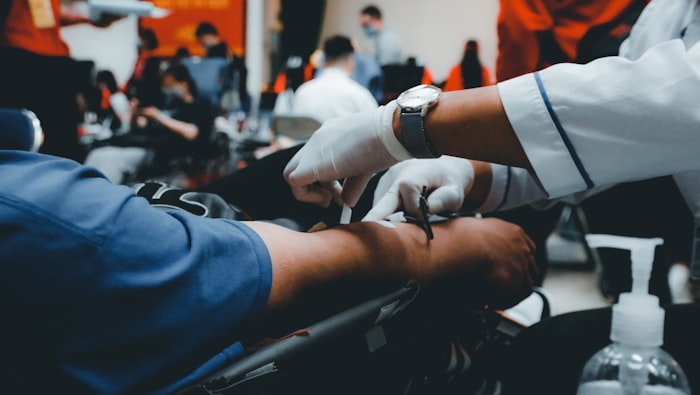
Full PPE: gown, N95 respirator, goggles, and gloves — essential for high-risk patient care
PPE selection must be based on a risk assessment of the likely exposure during each specific task. Questions to ask: Is contact with blood, body fluid, or mucous membranes likely? What route of transmission is involved? Is a sterile field required? For routine patient care with intact skin: gloves only. For wound care with potential for splashing: gloves and gown. For bronchoscopy or intubation: gloves, gown, eye protection, and N95 respirator. For a patient on airborne precautions: gloves, gown, and fit-tested N95. Selecting excessive PPE wastes resources and creates barriers to care; selecting insufficient PPE exposes workers to risk.
Examination gloves are available in nitrile (synthetic, latex-free, preferred in most healthcare settings), latex (high tactile sensitivity but causes allergic reactions in sensitised individuals), and vinyl (lowest barrier protection, not recommended for clinical use). Sterile gloves are required for invasive procedures and sterile field maintenance. Double gloving is recommended for high-risk procedures (e.g., exposure-prone procedures in HIV-endemic regions). Critically, gloves have micro-perforations and degrade over time — they do NOT replace hand hygiene. Compliance with hand hygiene after glove removal is significantly lower than after bare-hand contact, making education on this point essential.
Surgical masks are loose-fitting devices that protect against large droplets and splashes. They do not form a seal with the face and do not protect against small airborne particles. They are appropriate for standard and droplet precautions and for patient source control. N95 respirators filter ≥95% of airborne particles ≥0.3 microns when properly fitted. They require fit testing (annual, per OSHA requirements) and a daily user seal check before each use (positive and negative pressure check). N95s are mandatory for airborne precaution situations (TB, measles, varicella, SARS-CoV-2 in aerosol-generating procedures). Powered air-purifying respirators (PAPRs) are an alternative for workers who cannot achieve N95 fit.
Isolation gowns protect clothing and skin from contamination during patient care activities. They are classified by ANSI/AAMI PB70 into four levels of fluid resistance (Level 1: minimal; Level 4: highest). For standard contact precautions, Level 2 gowns are appropriate. For procedures with high splash risk (surgery, trauma), Level 3–4 gowns are required. Plastic aprons provide fluid resistance but do not cover the arms and are appropriate for low-risk splash situations in domestic or community settings. Gowns must cover from neck to mid-calf, with long sleeves and knit or elastic cuffs. They are single-use and must be removed before leaving the patient room.
The order of donning: (1) perform hand hygiene; (2) put on gown; (3) put on mask/respirator and fit check; (4) put on goggles/face shield; (5) put on gloves, covering gown cuffs. The order of doffing — the higher-risk activity — is: (1) remove gloves using beak technique (most contaminated item first); (2) perform hand hygiene; (3) remove goggles/face shield from behind; (4) perform hand hygiene; (5) remove gown by rolling it inward and away from body; (6) perform hand hygiene; (7) remove mask/respirator from behind without touching the front; (8) perform hand hygiene. Never touch the front of the mask or gown during removal. Practice with a buddy system improves compliance significantly.
During shortages, healthcare facilities may implement extended use (wearing the same N95 for multiple patient encounters) and limited reuse (the same N95 is worn by the same HCW across multiple shifts with proper storage). CDC guidance permits up to 5 uses of an N95 before discard. Storage between uses: hang the respirator in a clean, breathable paper bag labelled with the user's name. Inspect before each reuse: discard if soiled, damaged, difficult to breathe through, or if the seal can no longer be achieved. Gowns and surgical masks are generally single-use only. Extended use policies should be formally implemented by the facility's IPC programme with clear criteria and monitoring.
Module 7: Environmental Cleaning & Disinfection

Terminal cleaning after patient discharge removes pathogen reservoirs from the room environment
Spaulding Classification Summary
CategoryExamplesRequired Level
Critical
Surgical instruments, implants
Sterilisation
Semi-critical
Endoscopes, laryngoscopes
High-level disinfection
Non-critical
Stethoscopes, BP cuffs
Low/intermediate
The Spaulding classification, developed in 1968 and still the gold standard, categorises medical devices and surfaces by their infection risk to guide appropriate reprocessing. Critical items (enter sterile tissue or the vascular system — e.g., surgical instruments, implants, vascular catheters) require sterilisation. Semi-critical items (contact mucous membranes or non-intact skin — e.g., endoscopes, laryngoscope blades, respiratory therapy equipment) require high-level disinfection at minimum. Non-critical items (contact intact skin — e.g., stethoscopes, blood pressure cuffs, bed rails, call buttons) require low- to intermediate-level disinfection. This classification is essential for selecting the correct level of reprocessing for every item.
Cleaning is the physical removal of organic matter, soil, and debris using water, detergent, and mechanical action. It is the essential first step before disinfection or sterilisation — organic material inactivates disinfectants. Disinfection eliminates most pathogenic microorganisms but does not destroy bacterial spores. Low-level disinfection (e.g., quaternary ammonium compounds) is appropriate for non-critical surfaces. Intermediate-level disinfection (e.g., 70% isopropyl alcohol) kills mycobacteria. High-level disinfection (e.g., glutaraldehyde, OPA, peracetic acid) kills all microorganisms except high numbers of bacterial spores. Sterilisation destroys ALL forms of microbial life including spores.
The effectiveness of a disinfectant depends on: the active ingredient and concentration; the presence of organic material (which must be removed by prior cleaning); contact time (the product must remain wet on the surface for the full manufacturer-specified dwell time, often 30 seconds to 10 minutes); surface compatibility (some products damage certain plastics, metals, or textiles); and temperature and pH. Common healthcare disinfectants include: quaternary ammonium compounds (broad-spectrum, surface-safe, not sporicidal); hydrogen peroxide (broad-spectrum, some sporicidal activity at higher concentrations); hypochlorite bleach (highly effective against C. difficile spores at 1,000–5,000 ppm); and UV-C light (adjunct technology for terminal disinfection).
High-touch surfaces are those most frequently contacted by patients and healthcare workers and most likely to be contaminated with pathogens: bed rails, call buttons, door handles, light switches, TV remotes, IV pump surfaces, and overbed tables. These surfaces should be cleaned and disinfected at minimum twice daily and after each patient discharge. Cleaning must follow a systematic, top-to-bottom, clean-to-dirty order to avoid recontaminating cleaned surfaces. Single-use wipes or freshly prepared solutions must be used for each patient area. Microfibre cloths demonstrate superior pathogen removal compared to standard cotton cloths when used with appropriate disinfectant.
Terminal cleaning — thorough decontamination of the entire patient room after discharge or end of isolation — is a critical step in breaking the chain of transmission between patients. The process includes: stripping all bedding and disposing of single-use items; cleaning all horizontal and vertical surfaces from top to bottom; paying particular attention to high-touch surfaces and bathroom areas; using a sporicidal agent if the previous patient had C. difficile or norovirus; allowing full drying before the new patient occupies the room. Enhanced terminal cleaning technologies — UV-C robots, vaporised hydrogen peroxide (VHP) — reduce residual pathogen burden significantly and are increasingly used as adjuncts, particularly after high-risk pathogens.
Visual inspection alone misses up to 50% of contaminated surfaces. More objective monitoring methods include: ATP bioluminescence testing, which detects organic material on surfaces using a rapid luminometer test (results in seconds; threshold: <250 RLU for clean); fluorescent marking agents (UV-sensitive gels applied to surfaces before cleaning and checked with UV light after — presence indicates missed surface); microbiological cultures of surfaces (useful in outbreak investigations but slow and expensive for routine monitoring). Results should be fed back to cleaning staff and supervisors in real time, with recognition of high compliance and retraining for low compliance. Regular environmental monitoring is a core component of a robust IPC programme.
Module 8: Sterilisation Principles
Autoclave sterilisation — pressurised steam at 121–134°C eliminates all microbial life including spores
Steam sterilisation (autoclaving) is the most widely used, reliable, and cost-effective sterilisation method for heat-stable, moisture-tolerant items. It works by exposing items to pressurised saturated steam at 121°C (gravity cycle, 15–30 min) or 134°C (pre-vacuum cycle, 3–4 min), which denatures proteins and destroys all forms of microbial life including spores. Critical items that can tolerate heat and moisture — surgical instruments, stainless steel bowls, drapes, gowns — should be steam sterilised as the default. Key parameters monitored with each cycle: temperature, pressure, time, and steam quality (dryness). Biological indicators (spore strips with Geobacillus stearothermophilus) must be run weekly and in every implant load.
Heat-sensitive devices (flexible endoscopes, powered surgical instruments, plastic and rubber items) require low-temperature sterilisation methods. Ethylene oxide (ETO): highly effective, penetrates packaging well, but requires long aeration time (8–12 hours) and has carcinogenic risk for staff — declining in use. Hydrogen peroxide gas plasma (e.g., STERRAD): rapid cycle (28–75 min), no toxic residue, suitable for most metallic instruments but cannot process lumens <1 mm or cellulose materials. Low-temperature steam formaldehyde: common in Europe, effective for heat-sensitive items. Peracetic acid liquid sterilisation (e.g., STERIS): single-use cycle, appropriate for heat-sensitive scopes requiring immediate reuse. Each method has specific load preparation, packaging, and monitoring requirements.
Sterile items must be packaged appropriately to maintain sterility until point of use. Packaging materials must allow steam or gas penetration during processing, provide a microbial barrier after sterilisation, and seal securely. Common materials: sterilisation pouches (paper/plastic — for small items); SMS non-woven wrap (single-use, for larger trays); reusable woven textile wraps (require validation). Each package must be labelled with: steriliser number, cycle number, load number, and expiry date (event-related sterility is now preferred over date-related). Sterility is maintained by storage in clean, dry, closed cabinets — excessive handling, moisture, and damage to packaging compromise sterility. Items should be inspected before use: discard if packaging is torn, wet, or shows failed chemical indicator.
Sterilisation quality assurance requires three types of monitoring. Mechanical monitoring: reading printouts of time, temperature, and pressure for every cycle — the first line of quality assurance. Chemical indicators: external indicators (change colour when exposed to the sterilisation process — verify the item was processed, not that sterilisation conditions were met) and internal indicators (placed inside packs to verify conditions were achieved inside the load). Biological indicators (BIs): contain actual bacterial spores — the most reliable test of sterilisation efficacy. BIs must be run weekly, in every implant load, and whenever a new product type is introduced. Failed BIs require immediate cycle recall, quarantine of affected loads, investigation of the steriliser malfunction, and notification of clinical areas.
Flexible endoscopes (gastroscopes, colonoscopes, bronchoscopes) are semi-critical items that contact mucous membranes and require at minimum high-level disinfection (HLD). Their long, narrow lumens and complex multi-channel design make reprocessing extremely challenging. The reprocessing sequence is: pre-cleaning at point of use (within 60 minutes of use), transport to the reprocessing area, leak testing, manual cleaning (brushing all channels, enzymatic detergent soak), rinsing, automated endoscope reprocessor (AER) cycle with HLD agent (OPA, peracetic acid), drying with forced air, and storage in a vertical hanging cabinet. Each step has specific requirements and must be documented. Breaches in endoscope reprocessing have caused numerous HAI outbreaks including carbapenem-resistant organism transmission — this remains one of the highest-risk reprocessing challenges in healthcare.
The sterile processing department (SPD) or central sterile services department (CSSD) is responsible for all instrument reprocessing outside the clinical area. Quality systems include: standard operating procedures for every device type; staff competency assessments; maintenance logs for all sterilisers; traceability systems linking each instrument to its sterilisation cycle and the patient on whom it was used; and regular equipment validation. IPC practitioners should conduct regular audits of the SPD, including environmental conditions (temperature, humidity), water quality (endoscope reprocessing requires filtered water and final rinse with sterile water), and staff adherence to protocols. Investing in SPD quality directly reduces patient infection risk.
Module 9: Waste Management

Colour-coded sharps containers and clinical waste bins — segregation at the point of generation
WHO classifies healthcare waste into several categories: (1) Infectious waste — items contaminated with blood, body fluids, or potentially infectious material; (2) Sharps waste — needles, blades, broken glass; (3) Pharmaceutical waste — expired or unused medications; (4) Chemical waste — laboratory reagents, disinfectants, mercury; (5) Radioactive waste — from nuclear medicine; (6) General (non-hazardous) waste — comparable to municipal solid waste; (7) Pathological waste — recognisable human anatomical parts. Approximately 75–90% of healthcare waste is general waste — over-classification as clinical waste is costly and wasteful. Correct segregation at the point of generation is the foundation of a safe waste management system.
Colour-coded waste containers standardise segregation at the point of generation. Common systems: Yellow — infectious/clinical waste for incineration or treatment; Yellow with black stripe — pharmaceutical waste; Yellow rigid — sharps containers; Orange — infectious waste suitable for alternative treatment (e.g., autoclave); Red — anatomical/pathological waste; Black/clear — general domestic waste; Blue/white — recyclable waste. Systems vary by country and facility — staff must be trained on their specific facility's system. Placing general waste in clinical waste bins is a common error that significantly increases disposal costs without improving safety.
Sharps injuries are entirely preventable with correct practice. Key rules: Never recap used needles — recap only if unavoidable using one-handed scoop technique; Dispose of sharps immediately at the point of use — do not carry them across the room or hold them while walking; Use sharps containers that are puncture-resistant, leak-proof, and labelled; Seal and replace containers when they are three-quarters full — never overfill; Containers must be accessible at the point of care — installed at appropriate height and within arm's reach. In the community setting, patients self-injecting at home must be provided with sharps containers and instructions for safe disposal. Sharps containers must never be placed in general waste bins.
Clinical waste must be handled, stored, and transported according to regulatory requirements to protect waste handlers, the public, and the environment. Key requirements: Waste bags must be colour-coded, strong enough to resist tearing, and tied securely; Bags must not be overfilled beyond two-thirds; Waste must not be left open or uncovered in patient care areas; Temporary storage areas must be designated, secured, and away from patient care and food preparation areas; Transport within the facility must use dedicated covered trolleys; External transport must comply with transport regulations for dangerous goods. Documentation of waste quantities, manifests, and disposal records is mandatory and subject to regulatory inspection.
Healthcare waste management is governed by multiple overlapping regulatory frameworks: occupational health and safety regulations (protecting workers); environmental protection legislation (preventing contamination of land, water, and air); waste management regulations (licensing of transporters and disposal facilities); and healthcare accreditation standards. In the USA, OSHA's Bloodborne Pathogen Standard (29 CFR 1910.1030) establishes requirements for handling materials potentially contaminated with bloodborne pathogens. The EPA regulates medical waste disposal under the Resource Conservation and Recovery Act. State regulations vary. IPC practitioners must understand the applicable regulatory framework and ensure their facility's waste management programme meets all requirements.
A key sustainability principle is reducing waste generation at source rather than focusing solely on disposal. Strategies include: purchasing single-dose medications to reduce pharmaceutical waste; choosing reusable equipment (e.g., washable gowns, reusable sharps containers) where infection risk allows; implementing a 'green theatre' programme to reduce surgical waste; auditing over-specification of clinical waste (items incorrectly placed in clinical waste bins); and staff education on correct segregation. Reducing clinical waste is both environmentally responsible and economically significant — clinical waste disposal costs 5–10× more than general waste disposal per kilogram.
Module 10: Healthcare Worker Safety
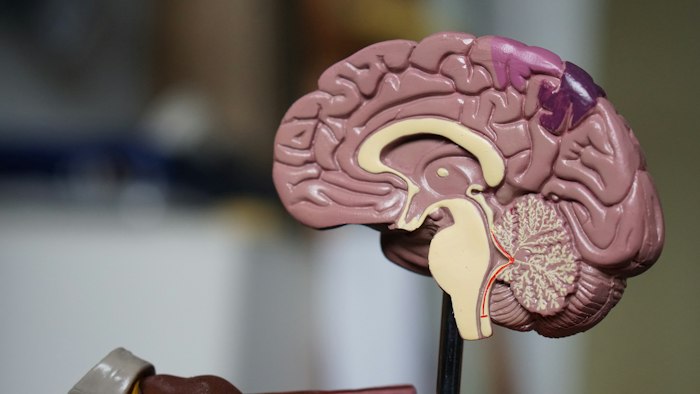
Occupational safety in healthcare — needlestick prevention, vaccination, and exposure management
Bloodborne Pathogen Transmission Risk per Needlestick
Healthcare workers face a range of occupational infection risks including bloodborne pathogen exposure (HIV, HBV, HCV) through needlestick or sharps injuries; respiratory pathogen acquisition (influenza, TB, SARS-CoV-2, pertussis); skin and mucous membrane exposure to body fluids; gastrointestinal infections from patient care; and contact with pathogens such as MRSA, C. difficile, and norovirus. Understanding these risks and implementing prevention measures is both an ethical obligation of employers and a personal responsibility of each healthcare worker. Occupational health departments play a central role in surveillance, prevention, and management of healthcare worker infections.
When a healthcare worker sustains a needlestick injury or mucocutaneous exposure to blood or body fluids, the following steps must be taken immediately: (1) Remove contaminated PPE and wash the wound with soap and water for several minutes (do not squeeze, scrub, or apply caustic agents); (2) Report the incident to the supervisor and occupational health immediately; (3) Complete a formal incident report; (4) Arrange urgent assessment within 2 hours — source patient consent for blood testing should be sought; (5) Determine risk based on source patient status (HIV, HBV, HCV), injury type, and depth. Risk of HIV transmission per needlestick is approximately 0.3%; HBV 6–30% (unvaccinated); HCV 1.8%. Timely response is critical.
HIV PEP: a 28-day course of antiretroviral therapy should be started within 2 hours of exposure (maximum 72 hours — after this, PEP is not effective). Current preferred regimen: tenofovir/emtricitabine + raltegravir or dolutegravir. Side effects are common and tolerability support improves completion rates. HBV PEP: unvaccinated exposed workers should receive hepatitis B immunoglobulin (HBIG) + hepatitis B vaccine series within 24 hours. Vaccinated workers with documented protective antibody titre (anti-HBs ≥10 mIU/mL) require no PEP. HCV PEP: there is no approved PEP for HCV. Exposed workers should have baseline HCV RNA and antibody testing at baseline, 3–6 weeks, and 4–6 months. Direct-acting antivirals can treat early HCV infection with >95% efficacy.
Vaccination is the most effective way to prevent occupational infection with vaccine-preventable diseases. Mandatory or strongly recommended vaccines for healthcare workers include: Hepatitis B (3-dose series; anti-HBs titre checked post-vaccination); Influenza (annual — reduces healthcare worker illness, patient transmission, and absenteeism); Varicella (2 doses if no documented immunity — particularly important for healthcare workers in paediatrics and oncology); MMR — 2 doses (measles, mumps, rubella); Tdap (tetanus, diphtheria, pertussis — once, then Td every 10 years); COVID-19 (facility and regulatory requirements vary). OSHA and CMS standards require employers to offer hepatitis B vaccination to all workers with potential bloodborne pathogen exposure.
Healthcare workers with communicable diseases pose a transmission risk to vulnerable patients. Clear return-to-work (RTW) policies must specify: the conditions under which HCWs must report illness; exclusion periods for common conditions (e.g., norovirus: 48–72 hours symptom-free before return; influenza: 5–7 days from symptom onset or until symptom-free; MRSA skin lesion: until lesion is treated and healed; COVID-19: per current public health guidance); requirements for medical clearance before return; and modified duty options. HCWs who are immunocompromised themselves (HIV, on immunosuppressive therapy) should be assessed by occupational health to determine their fitness for care of patients with communicable diseases.
The occupational health (OH) department and the IPC team share complementary goals: protecting healthcare workers from acquiring infections and preventing HCWs from transmitting infections to patients. Effective collaboration includes: joint development of HCW vaccination and screening programmes; sharing surveillance data on HCW illness and exposures; coordinating outbreak responses (e.g., norovirus or influenza affecting staff); conducting contact tracing investigations when HCWs are exposed to TB or measles; and joint education campaigns. In facilities where OH and IPC are separate departments, regular scheduled meetings and information-sharing protocols ensure a coordinated approach to workforce health and patient safety.
Module 11: Infection Surveillance Basics

Surveillance data analysis — tracking HAI trends and detecting outbreaks through systematic monitoring
US HAI Rate Trends 2015–2023 (SIR)
Red bar = COVID-19 surge impact. Overall trend: ↓ 50% reduction in CLABSI since 2015 · Source: CDC NHSN
Infection surveillance is the systematic, ongoing collection, analysis, interpretation, and dissemination of data about HAIs to inform prevention and control activities. Without surveillance, outbreaks go undetected for longer, underlying trends are missed, and improvement efforts cannot be measured. Surveillance data enables: comparison of infection rates against national benchmarks; detection of clusters and outbreaks; identification of risk factors; measurement of the impact of prevention interventions; demonstration of value to hospital leadership; and fulfilling regulatory and accreditation reporting requirements. Surveillance is the foundation on which all evidence-based IPC programmes are built.
Passive surveillance relies on healthcare workers or laboratories to spontaneously report infections — it is low-cost but significantly underestimates true infection rates due to reporting fatigue and inconsistency. Active surveillance involves the IPC team proactively seeking infection cases through daily review of laboratory reports, medical records, and clinical notes. Active surveillance is more sensitive and provides more accurate data for outbreak detection and rate calculation. Modern electronic surveillance systems can automate much of this process by generating alerts when laboratory or clinical criteria for HAI definitions are met, dramatically reducing the time required for manual chart review.
A case definition is a set of clinical and laboratory criteria used to determine whether a patient has a specific infection for surveillance purposes. Standard case definitions from CDC/NHSN (National Healthcare Safety Network) are used in the USA for HAI surveillance. Using standardised definitions ensures consistency: the same patient would be classified the same way by any IPC practitioner in any facility. This consistency is essential for valid benchmarking. Common pitfalls include: applying clinical judgement instead of strict case definition criteria; using incorrect denominators; and including community-acquired infections in HAI rates. Regular calibration exercises between IPC team members improve inter-rater reliability.
Raw infection counts are not useful for comparison — a hospital performing 10,000 catheter days cannot be compared to one performing 1,000 catheter days using counts alone. Rates standardise data for meaningful comparison. Device-associated infection rates are expressed as infections per 1,000 device-days: CLABSI rate = (number of CLABSIs ÷ number of central line-days) × 1,000. Procedure-associated rates are expressed per 100 procedures: SSI rate = (number of SSIs ÷ number of eligible procedures) × 100. The Standardised Infection Ratio (SIR) compares observed infections to the number predicted based on NHSN's national baseline data, adjusted for patient and facility characteristics — an SIR <1.0 indicates better-than-expected performance.
An outbreak is defined as an increase in the occurrence of a disease beyond the expected endemic baseline. In healthcare, even two related cases of a rare organism (e.g., CRE, NDM-producing organism) may constitute an outbreak warranting investigation. Initial steps when an outbreak is suspected: (1) Confirm the diagnosis — ensure cases meet the case definition; (2) Count cases — is this truly above baseline? (3) Notify the IPC team and relevant clinical leads; (4) Implement interim control measures — contact precautions, enhanced hand hygiene, environmental cleaning; (5) Begin the formal outbreak investigation. Acting before the investigation is complete is appropriate when there is a plausible hypothesis — the investigation runs in parallel with control measures.
Many infectious diseases are legally required to be reported to public health authorities. Notifiable diseases in the USA are determined at the state level, with a national list maintained by the CDC (National Notifiable Diseases Surveillance System — NNDSS). Common notifiable diseases include: tuberculosis, salmonellosis, shigellosis, hepatitis A and B, HIV, gonorrhea, syphilis, measles, pertussis, meningococcal disease, and legionellosis. Healthcare facilities also have mandatory reporting requirements for specific HAI data to NHSN (required for CMS reimbursement). IPC practitioners must be familiar with both state and federal reporting requirements and have systems in place to identify reportable cases promptly and submit reports within required timeframes.
Module 12: Building an IPC Culture

A strong IPC culture requires visible leadership engagement, peer accountability, and shared ownership
Even the best IPC policies and protocols will fail if they are not implemented consistently by all healthcare workers in every patient encounter. Organisational culture — the shared values, beliefs, and behaviours that determine how people act, particularly when no one is watching — is the ultimate determinant of IPC success. Research consistently shows that facilities with strong safety cultures have lower HAI rates, higher hand hygiene compliance, and better outbreak response. Culture is not created by policies alone; it requires visible leadership commitment, psychological safety to report concerns, peer accountability, and shared ownership of infection prevention as a professional value.
Clinical and executive leaders have an outsized influence on IPC culture. When senior physicians perform hand hygiene visibly and consistently, compliance rates among all staff increase. When chief nursing officers prioritise IPC metrics in daily huddles, frontline nurses adopt the same focus. Conversely, when leaders bypass IPC protocols or dismiss infection control recommendations, this signals that IPC is negotiable. Strategies to engage leaders: include HAI rates in executive performance dashboards; present infection data at board meetings; involve medical staff leaders in IPC committee governance; and publicly recognise units that achieve IPC milestones. Leadership engagement is the highest-leverage intervention in any IPC programme.
Understanding why healthcare workers don't comply with IPC practices enables more effective interventions. The COM-B model identifies three components of behaviour: Capability (do they know and have the skills to do it?), Opportunity (is the environment set up to make it easy? — ABHR at point of care), and Motivation (do they want to do it? — do they believe it matters?). Most IPC training addresses capability alone. Equally important are opportunity interventions (system design: making the right thing easy and the wrong thing hard) and motivation interventions (feedback, peer norms, patient narratives). The Behaviour Change Wheel provides a systematic approach to designing IPC improvement programmes based on COM-B analysis.
In a just culture, healthcare workers feel safe reporting near-misses, errors, and IPC concerns without fear of punishment. This psychological safety is essential for surveillance accuracy (staff report infections they discover) and for improvement (staff report system failures that create infection risk). In contrast, a blame culture suppresses reporting, leaves underlying causes unaddressed, and punishes individuals for system problems. Just culture does not mean no accountability — it means accountability is proportionate and distinguishes between human error (support and redesign), at-risk behaviour (coaching), and reckless behaviour (appropriate sanctions). IPC practitioners can model just culture by responding to reports with curiosity and improvement focus rather than blame.
Patients and families are powerful allies in infection prevention. Empowering patients to ask healthcare workers 'Have you cleaned your hands?' has been shown to increase compliance in some settings. Patient education about their own IPC risks — catheter care, wound care, isolation precautions — reduces HAI rates and improves early detection of complications. Sharing infection rate data publicly (through hospital scorecards) drives accountability and enables informed patient choice. Family members who understand isolation precautions are more compliant with PPE use and less likely to inadvertently breach isolation. Engagement requires accessible communication materials, sensitive conversations about isolation, and genuine partnership rather than tokenistic consultation.
Lasting cultural change requires embedding IPC into the fabric of daily organisational life, not treating it as a separate initiative. Practical embedding strategies: include hand hygiene compliance and HAI rates in daily safety huddles; add IPC observations to nursing bedside handover checklists; incorporate isolation precaution review into medical ward rounds; make ABHR availability a component of environmental safety walkthroughs by managers; include IPC competency in annual performance reviews; and celebrate IPC milestones publicly (e.g., 500 CLABSI-free days). When IPC becomes part of how we always do things, rather than something we do when the IPC nurse is watching, cultural transformation is complete.